P0420 Code on Fleet Vehicles: Diagnosis, Costs & Impact
TL;DR 4 key takeaways Definition: The P0420 code indicates that the catalyst on bank 1 of a vehicle is operating below the efficiency threshold,...

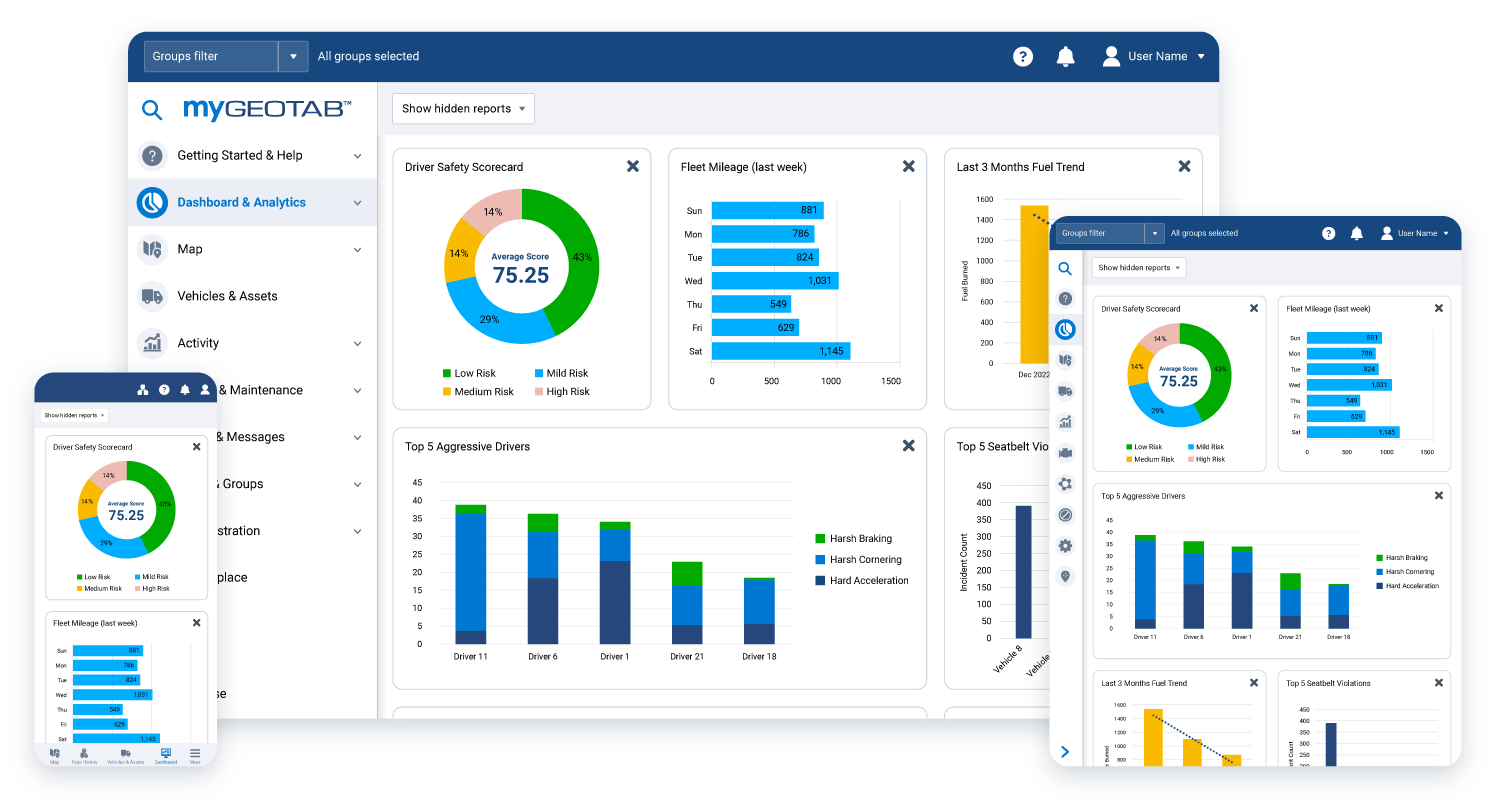
Fleet management software has become essential for any Canadian company running multiple vehicles. It centralizes all the data about your vehicles and drivers in one place, making the job easier while improving overall efficiency. With the right system, companies gain productivity while reducing the costs tied to operating their fleet. At AttriX, our Geotab-powered solution is built for the realities of fleet management in Canada, from Transport Canada compliance to bilingual support in Quebec.
Fleet management software offers a wide range of features designed to simplify the day-to-day handling of your vehicles and drivers. Here are some of the most essential, and how they can transform the way you work:
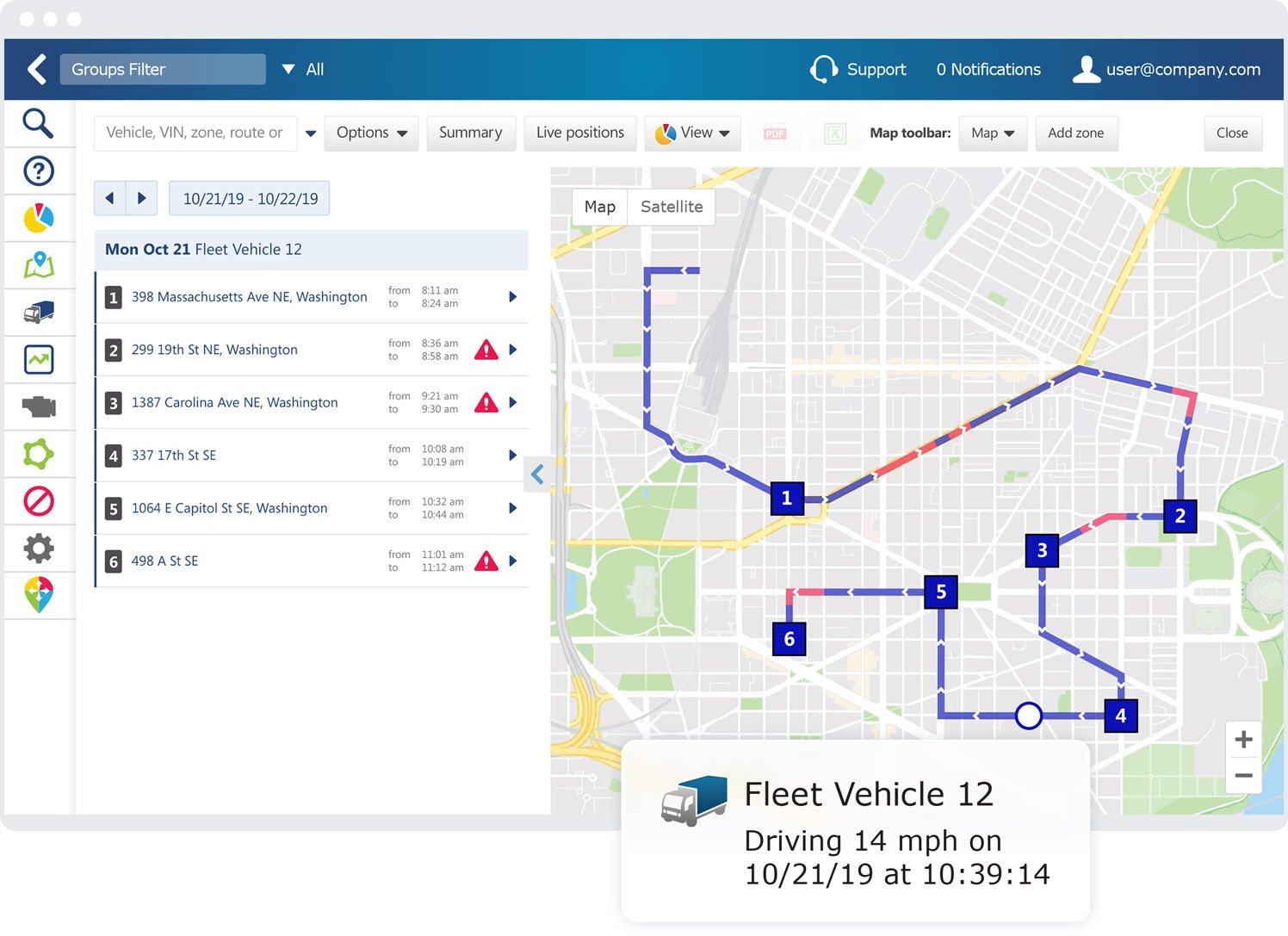
Live GPS tracking is undoubtedly one of the most powerful features. It lets you know exactly where your vehicles are at any moment. This helps optimize journeys, react quickly to delays or unforeseen events, and ensure drivers stick to planned routes. For a manager, it means greater visibility, which translates into smoother day-to-day management and less downtime.
Fuel is a major expense for any transportation company. The software helps you track and analyze fuel consumption in real time. This lets you spot the driving habits that drive up fuel costs (such as aggressive driving or prolonged idling) and correct them. The result is meaningful savings and better efficiency at the pump.
Managing vehicle maintenance can quickly become complicated, especially across a large fleet. With the right system, you can schedule regular upkeep and monitor the condition of each vehicle. It sends automatic alerts when servicing or repairs are due. This proactive approach cuts the risk of unexpected breakdowns, extends the life of your vehicles and keeps you within maintenance requirements.
Safe driving is crucial to protect drivers and everyone else on the road. The software lets you monitor and analyze driver behaviour, including speed, hard braking and sudden acceleration. By spotting these patterns, you can offer coaching or corrective measures to improve overall safety, prevent accidents and reduce claims costs.
Smart routing saves both time and resources. A good platform helps you plan the most efficient routes according to traffic, distance, delivery urgency and more. It also lets you monitor driver schedules so they respect statutory driving times and avoid fatigue at the wheel, all while keeping deliveries punctual.
.png?width=740&height=394&name=Mockup%20Centre%20de%20Contr%C3%B4le-%20Lighthouse%20(940%20%C3%97%20500%20px).png)
Fleet management software generates detailed reports covering many sides of your fleet: fuel consumption, journey times, driving incidents, maintenance costs, and more. These dashboards give you a clear overview of performance and help you make informed decisions to improve efficiency and lower spending. Analysis based on historical data lets you anticipate future needs and adjust your strategy accordingly.
Instant alerts are a major asset for fleet management. Whether for speeding, route deviations, or a vehicle due for servicing, these notifications let you act fast. You can resolve issues before they turn costly or disrupt operations.
Adopting fleet management software can transform a company's daily operations in many ways. Here are a few concrete, immediate benefits.
One of the main benefits is a significant reduction in costs. By optimizing journeys, monitoring fuel use and planning preventive maintenance, companies can save significantly. Tracking consumption live, for instance, helps flag energy-guzzling habits like speeding or extended idling. Scheduling regular maintenance also avoids costly, unplanned repairs.
With the right software, a company's overall productivity improves considerably. Real-time tracking tools help you run routes efficiently, avoid traffic jams and reduce vehicle downtime. On top of that, the admin tasks tied to fleet management, such as logging driving hours or scheduling upkeep, get automated, freeing managers to focus on other priorities.
Safety is a priority for any transport company. The system analyzes driver behaviour in real time, such as sudden acceleration, harsh braking or speeding. This information helps correct risky habits, prevent accidents and protect drivers and other road users. And with better-maintained vehicles, the risk of sudden breakdowns drops, improving overall fleet safety.
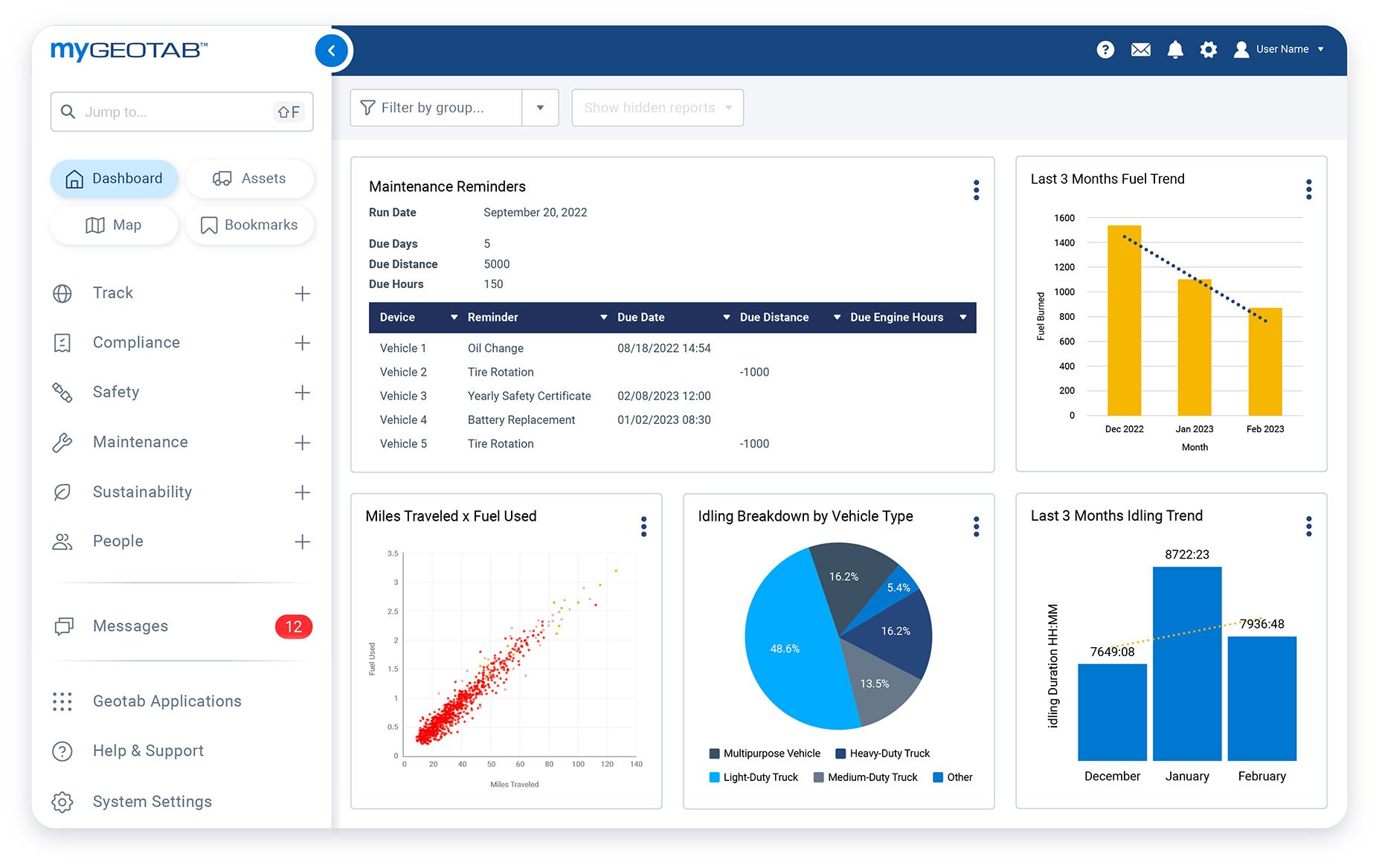
One of the greatest advantages of such software is the complete visibility it gives managers over the whole fleet. Thanks to detailed reports and live data, you can analyze how vehicles and drivers perform, see what's working and what could be better. This lets you make strategic decisions to optimize operations, anticipate future needs and adjust as trends shift.
Sustainability has become a major concern for transport companies. By optimizing routes, monitoring fuel use and reducing downtime, companies can meaningfully shrink their carbon footprint. The software helps green the company by encouraging smarter use of resources and lowering CO2 emissions.
Running a fleet in Canada comes with requirements that generic American systems don't always cover. Software built for the Canadian market handles these realities from day one, which is exactly where AttriX focuses.
Canadian carriers must meet hours-of-service rules and the electronic logging device (ELD) mandate enforced by Transport Canada. Our platform automates hours-of-service logs, inspection reports and driver identification, so you stay audit-ready without the paperwork. Learn more in our transportation compliance solutions.
Unlike US-based telematics providers such as Samsara or Motive, AttriX offers French-language support in Quebec and a team that knows provincial regulations first-hand. As the #1 Geotab integrator in Canada, we handle local installation, training and ongoing support rather than a remote helpdesk in another time zone.
Choosing the right fleet management software can seem complex, especially with so many options on the market. Here are some essential criteria to guide your decision:
Before comparing options, take stock of what you actually need. Are you managing a small fleet of vehicles or a more complex international operation? Are you mainly after lower fuel costs, automated maintenance, or safer drivers? Every company has different priorities, and knowing yours helps you target the best solution for the job.
As your business grows, so do your needs. Choose software that can adapt as you add vehicles or new features. Check too whether it connects easily with the tools you already run, such as your ERP or billing systems. Good compatibility means smoother, more centralized management.
Weigh the cost of the software against the benefits it brings. Rather than a single sticker price, what you pay usually depends on a few things: how many vehicles you run, the features you need (GPS, cameras, diagnostics, compliance), the hardware involved and the level of support and training included. Don't just chase the cheapest option, look for the best balance between features and cost. Because every fleet is different, AttriX shapes pricing around your real needs. Get a quote from a specialist to see what suits your operation.
The quality of customer support is often overlooked when choosing software. Make sure the provider offers responsive service, ready to resolve technical problems fast. Most also offer training to help you get to grips with the tool, a real asset for getting the most out of it from the start.
No software, however powerful, will deliver if your teams can't use it properly. Pick an intuitive solution with a clear interface, easy for fleet managers, technicians and even drivers to learn. And make sure technical support is on hand to answer questions and train your teams, so the switch goes smoothly.
Fleet management software isn't reserved for one industry. Its adaptability makes it useful across many sectors, from large logistics companies to small local businesses. Here's how different sectors benefit:
In transport and logistics, the software has become an indispensable ally. Delivery companies, long-haul carriers and couriers use it to optimize routes, track deliveries in real time and guarantee on-time orders. Live tracking also helps avoid unforeseen delays and keep customers happy. Maintenance and fuel handling get smoother too, reducing vehicle downtime and ensuring reliable deliveries.
Public transit operators, such as bus, train and cab companies, use these solutions to fine-tune schedules and routes, and to monitor passenger safety. By tracking vehicle status live and adjusting routes around traffic or incidents, they deliver smooth, dependable service. Punctuality is crucial to rider satisfaction, and the software helps maintain it.
In construction and industry, where companies often run heavy, costly vehicles, fleet management makes it possible to monitor the condition of each machine, optimize its use and prevent expensive breakdowns. Thanks to proactive maintenance, critical equipment stays operational, reducing downtime and avoiding worksite disruption.
Small and medium-sized businesses with smaller fleets, such as home-service companies (plumbing, electrical and the like), use this software to manage the vehicles their technicians rely on. It lets them optimize routes to fit in more daily calls while monitoring fuel use and keeping each vehicle properly maintained.
Public bodies, which run everything from police cars and ambulances to fire trucks and municipal service vehicles, rely on fleet management software to guarantee vehicle safety and availability. Live tracking is especially handy for coordinating fast, efficient responses, while proactive maintenance keeps every vehicle ready to roll.
Geotab is a leading provider of fleet management software, known for innovative, customizable solutions. One of its big strengths is the open platform, letting companies plug in third-party apps or tailor features to their exact needs. That makes it adaptable whether you're a small business or a major corporation.
Geotab excels at live vehicle tracking. Thanks to built-in GPS, managers can follow each vehicle's exact location, speed and current route. GPS vehicle tracking is especially useful for companies that need to react fast to last-minute changes, like reassigning a vehicle in an emergency or rerouting around traffic.
One of Geotab's strengths is gathering and analyzing huge volumes of data. Each equipped vehicle transmits readings on fuel use, driving behaviour and even mechanical condition. This lets companies decide based on solid evidence, spotting chances to optimize, whether to save fuel, improve safety or reduce maintenance costs.
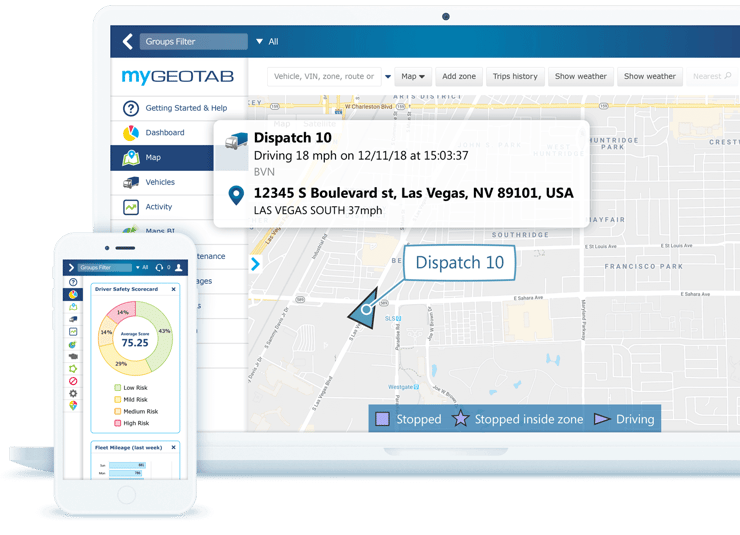
Geotab offers rare flexibility with its customized reports. Managers can set up specific views for whatever matters most, whether tracking fuel use, risky driving or maintenance alerts. It gives a clear, made-to-measure view of fleet management while automating some of the admin.
Whether you start with a handful of vehicles or manage hundreds, Geotab is built to grow with you. Its modular design lets you add features as your needs change. And its ability to connect with existing ERP systems makes it a practical choice for companies wanting to centralize management in one place.
Geotab also stands out for its environmental commitment. It helps companies shrink their carbon footprint through features like route optimization and fuel monitoring. Companies can track each vehicle's efficiency live and adapt to minimize CO2 emissions. That saves money and improves brand image by adopting greener practices.
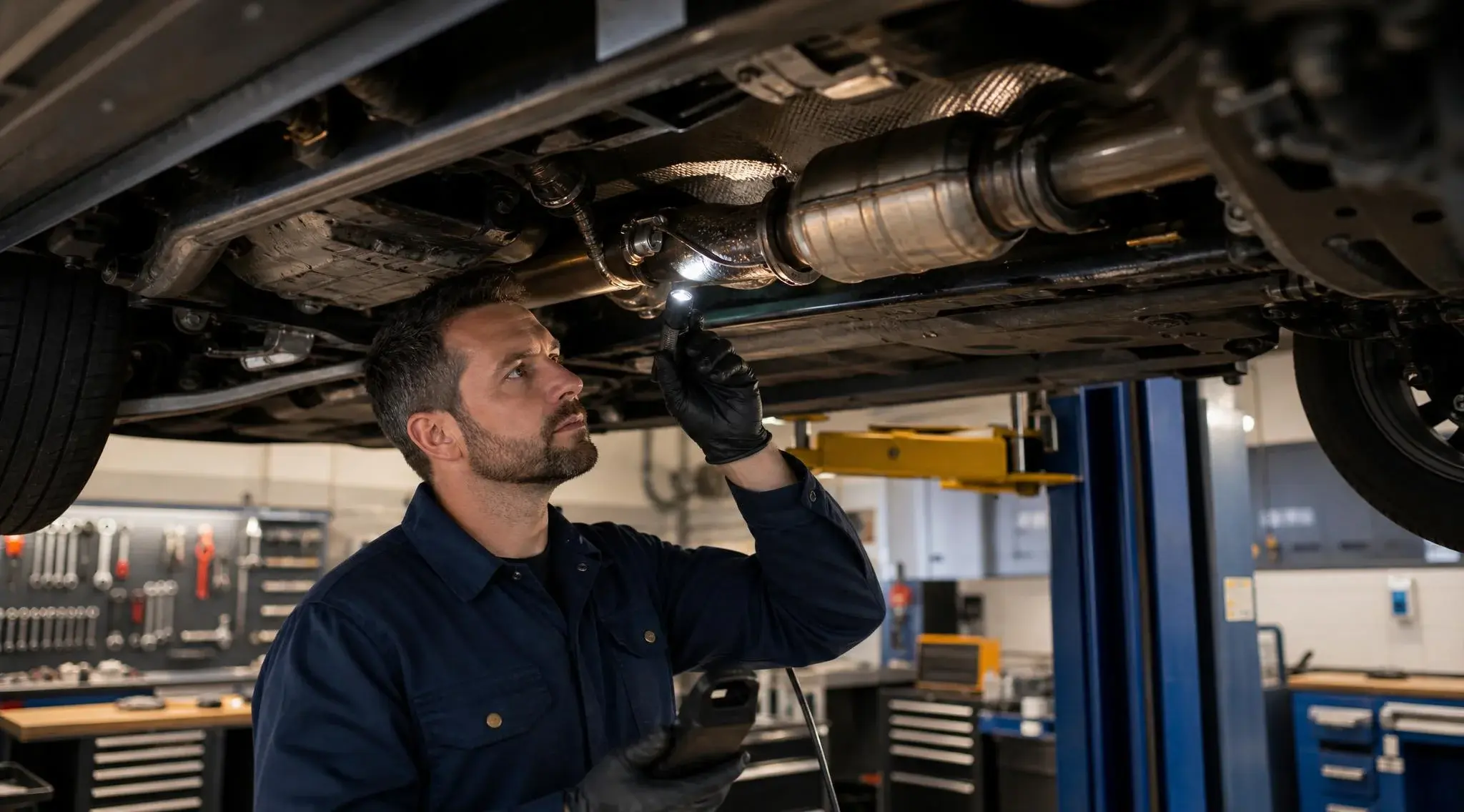
TL;DR 4 key takeaways Definition: The P0420 code indicates that the catalyst on bank 1 of a vehicle is operating below the efficiency threshold,...
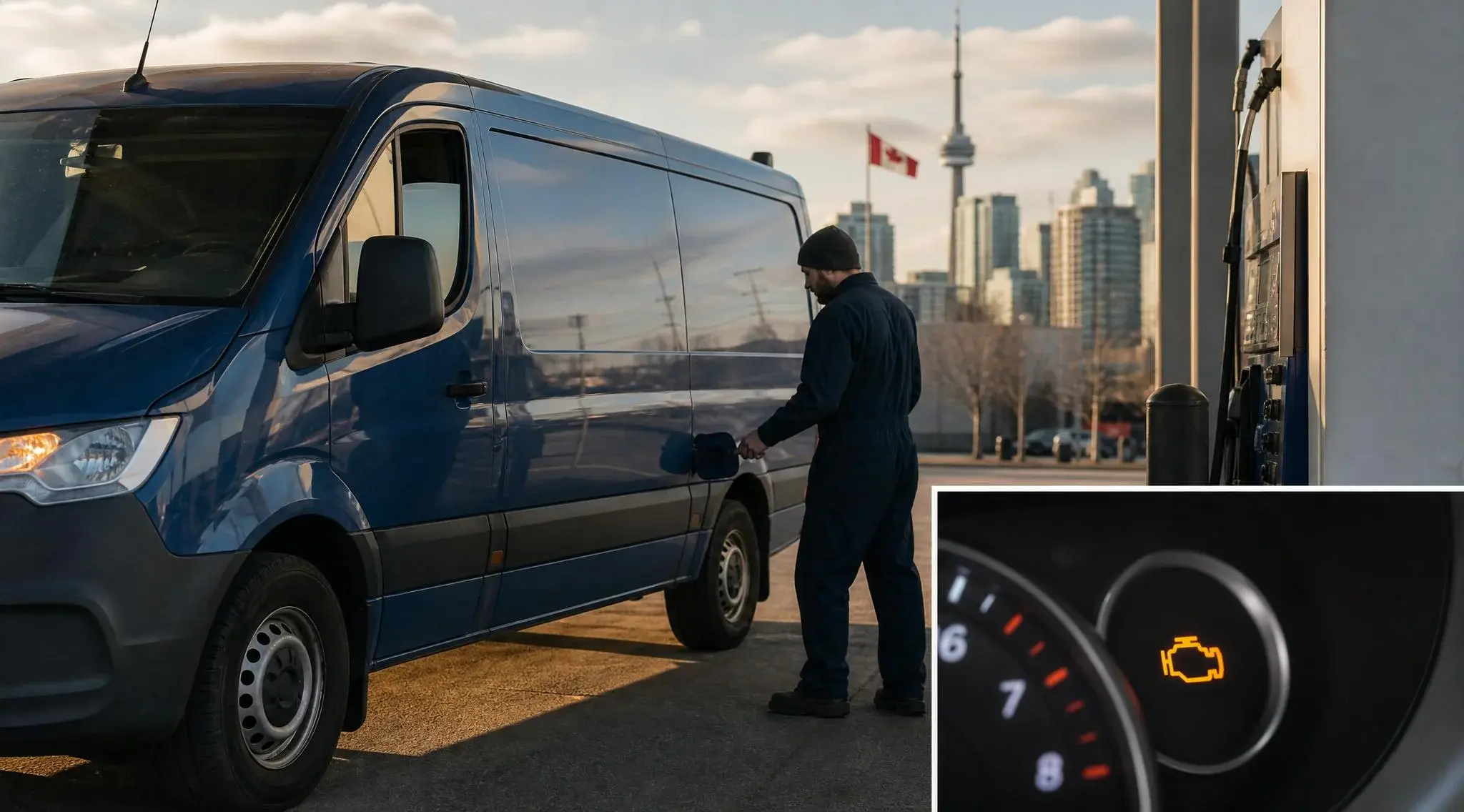
TL;DR 4 key takeaways Definition: The P0455 indicates a large leak in the EVAP system, detected by the onboard OBD2. Fleet impact: Moderate in the...
.jpg)
 Anthony Mainville: Apr 29, 2026, 1:08:24 PM
AI agent platforms, the co-pilot model, and why technology should serve your people GOOGLE CLOUD NEXT 2026 RECAP , FLEET INTELLIGENCE SERIES PART 3...