What’s New in Seven AttriX Add-ins for MyGeotab and Geotab Drive
All seven add-ins now share Geotab’s own design, and two of them pick up new tools for coaching drivers and tracking quarantine inspections. In...

Keep an eye on the road
Simplify your driver's routine
For efficient decision making
Ensure the compliance of your fleet
Simplify the daily life of your drivers
Maximize the value of your data
Unparalleled monitoring of your assets
The friendly competition that pays off
Planning powered by data
Exceed your customers' expectations
Provide better service to your users
Maximize the satisfaction of your citizens
Simplify your daily life on the construction site
Facilitate the electrification of your fleet
Our experts meet your needs
Easily meet the standards
Improve the safety of your drivers
Protect your data and your fleet
1 min read
Patrick Vallerand
Sep 20, 2024, 11:03:02 AM
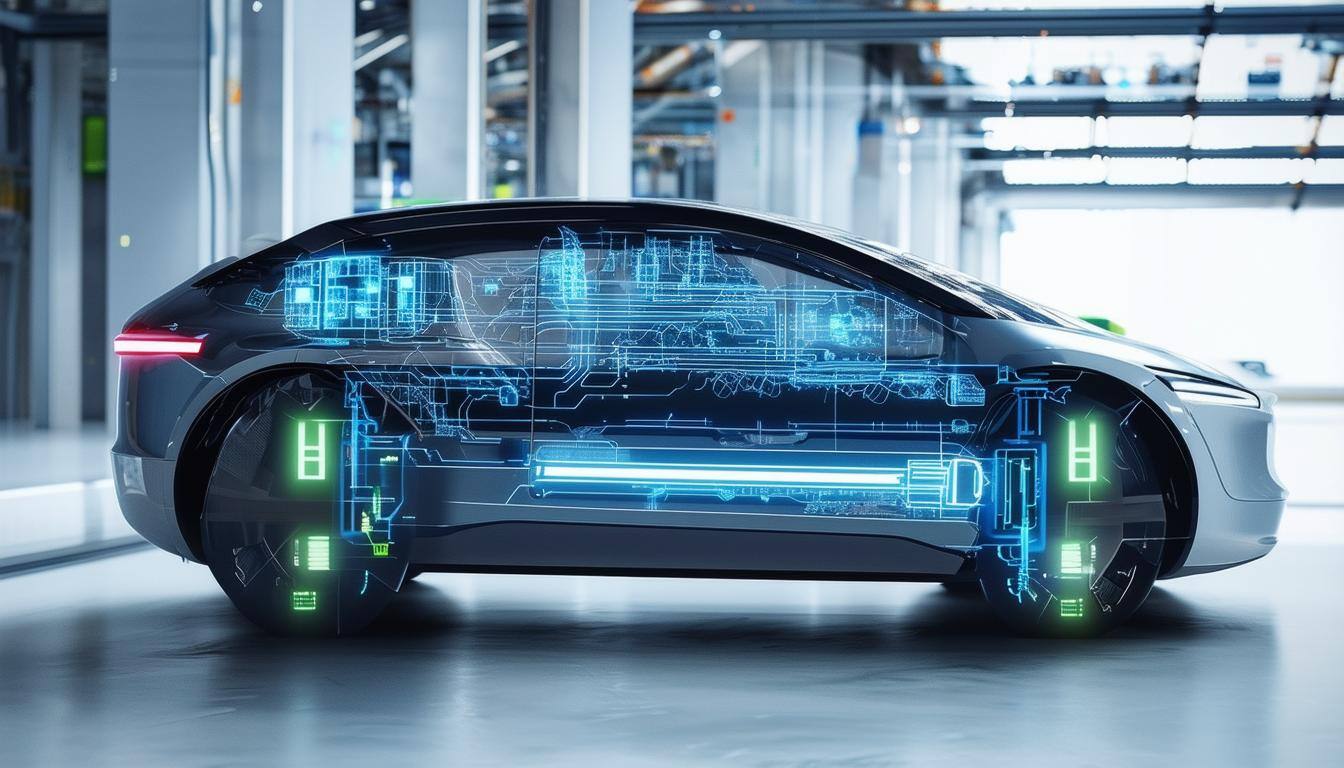
We've heard a lot about electric vehicles, especially their ecological impact. One of the most common misconceptions concerns the manufacture and end-of-life of batteries. Although batteries are now almost entirely recyclable, they are not yet the most environmentally friendly solution. The real question is: how long can a battery really last? To answer this question, we rely on a key State of Health (SOH).
SOH measures the wear and tear of a battery over time. Like all batteries, those used in electric
lose capacity with use, gradually reducing the range available. As range is the most crucial criterion for a successful transition to electric vehicles, it's essential to understand how wear and tear affects actual
performance.
SOH is calculated by dividing a battery's current usable capacity by its original capacity. This percentage gives an indication of the battery's current condition and its potential for years to come.
Geotab, world leader in telematics with over 4 million connected vehicles, has recently published an analysis based on a vast amount of data. Thanks to their audited anonymization system, they have access to a wealth of information on the use of electric vehicles.
According to their study, the average SOH loss is 1.8% per year. This means that, based on current
data on light vehicles, the estimated life of batteries could be as long as 20 years. This figure is not only sufficient to cover the lifespan of the vehicles themselves, but it could also extend the useful life of the battery for a second vehicle.
This is encouraging news, although it does raise other challenges. For example, some estimates of future lithium supply relied in part on battery recycling. With a longer-than-expected lifespan, the availability of this recycled lithium could be delayed, raising new concerns for the future.
So how long does an electric vehicle battery really last? It's difficult to give a simple answer. The data provided by Geotab is very promising and shows that batteries are performing better than expected. However, the key question remains the impact of the loss of performance on range. For example, if I need 250 km of range to accomplish my daily tasks, at what percentage of SOH will I no longer be able to do so will I no longer be able to do it efficiently? 10%? 30 % ? 60 % ?
These are important questions to be answered, but current data are reassuring and a solid future for transport electrification.

All seven add-ins now share Geotab’s own design, and two of them pick up new tools for coaching drivers and tracking quarantine inspections. In...
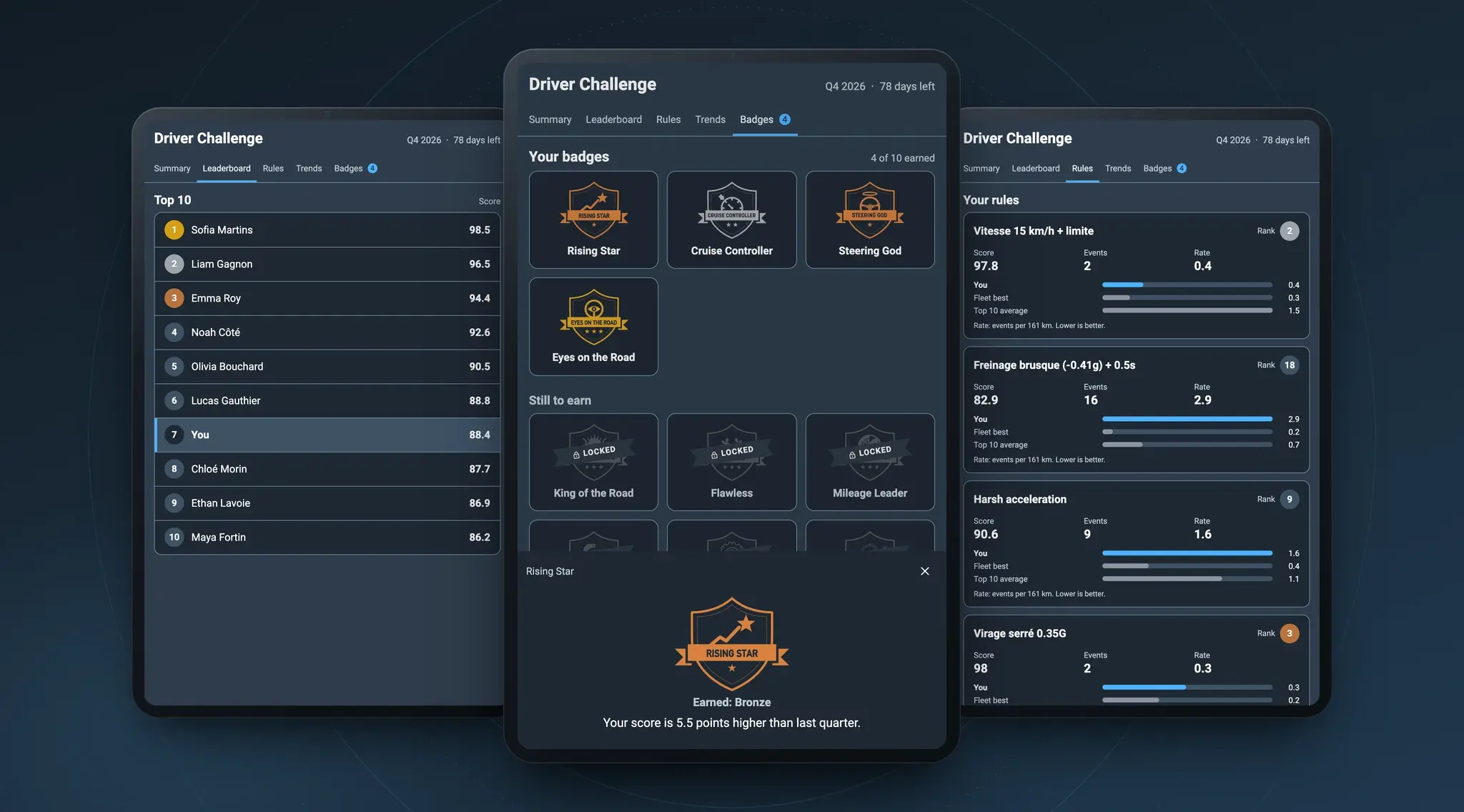
AttriX’s own driver gamification program now tells managers who to coach first and gives every driver one clear goal in Geotab Drive. In this...
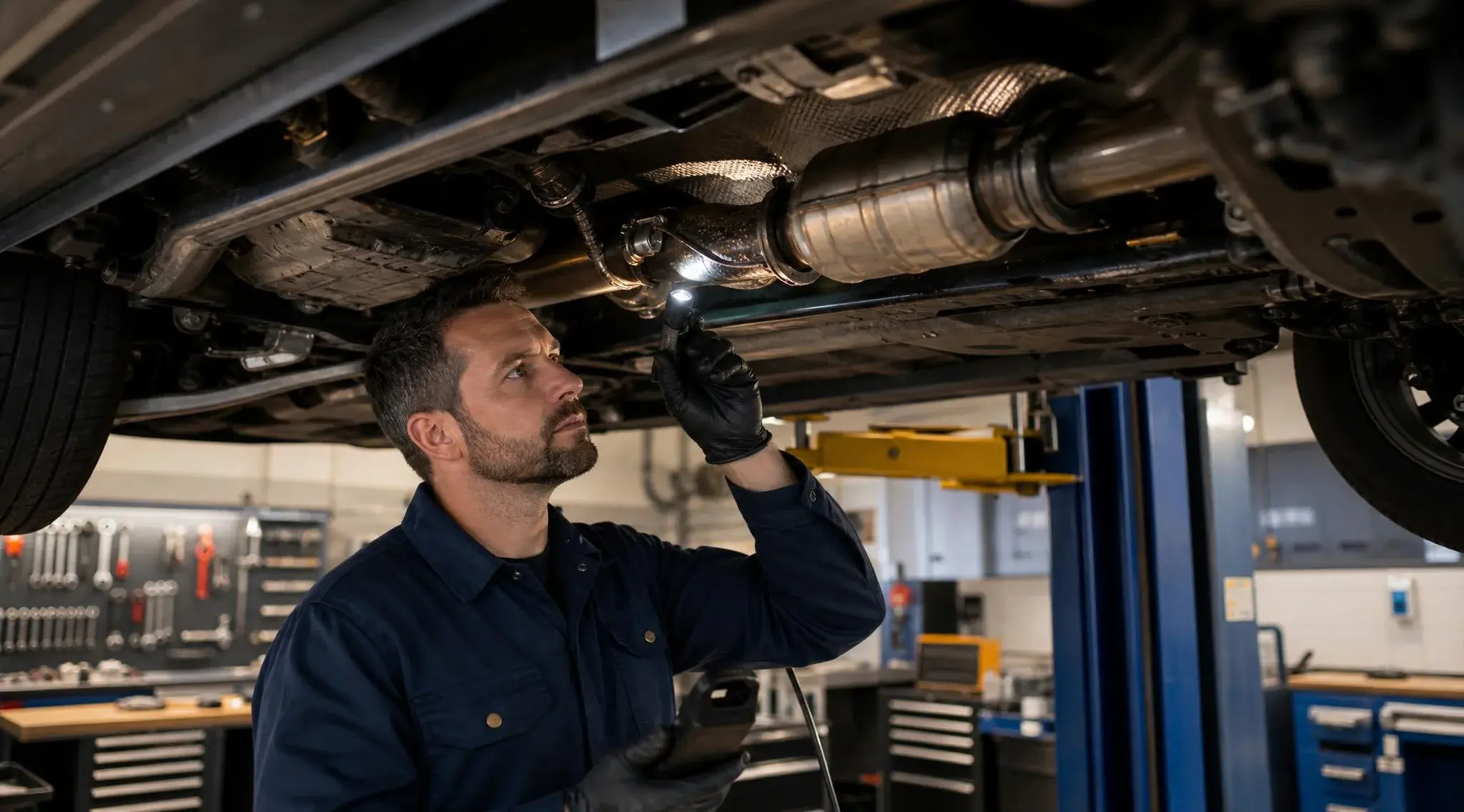
TL;DR 4 key takeaways Definition: The P0420 code indicates that the catalyst on bank 1 of a vehicle is operating below the efficiency threshold,...